The Cold War
[ Historical archive · Declassified ]

The
Cold
War

1947 — 1991

Two superpowers. Two ideologies. One divided world.

Explore the history of one of the most important conflicts in modern history.

[ USA ]vs.[ USSR ]
Open the file ↓
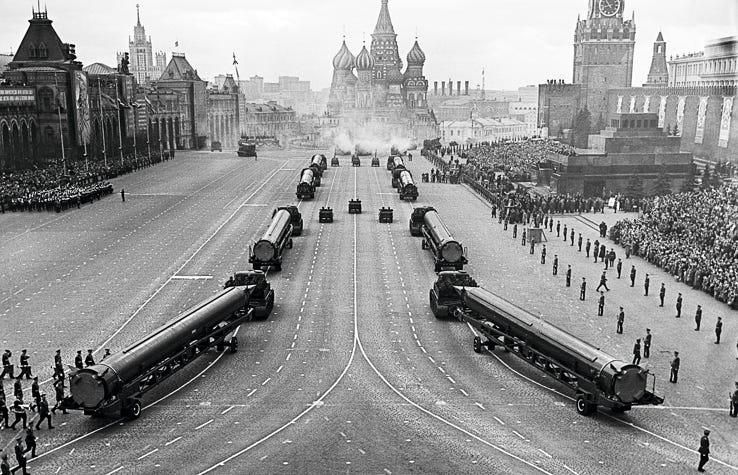
Missiles parade through Red Square, Moscow Top secret
Fig. 0 — Military parade, Red Square, Moscow
[ 01 / 07 · Origin of the conflict ][ 1947 ]

The beginning of the Cold War

The Cold War began after World War II, around 1947.

  • United States vs. Soviet Union.
  • Capitalism vs. Communism.
  • Political and military tension.
  • Competition for global power.
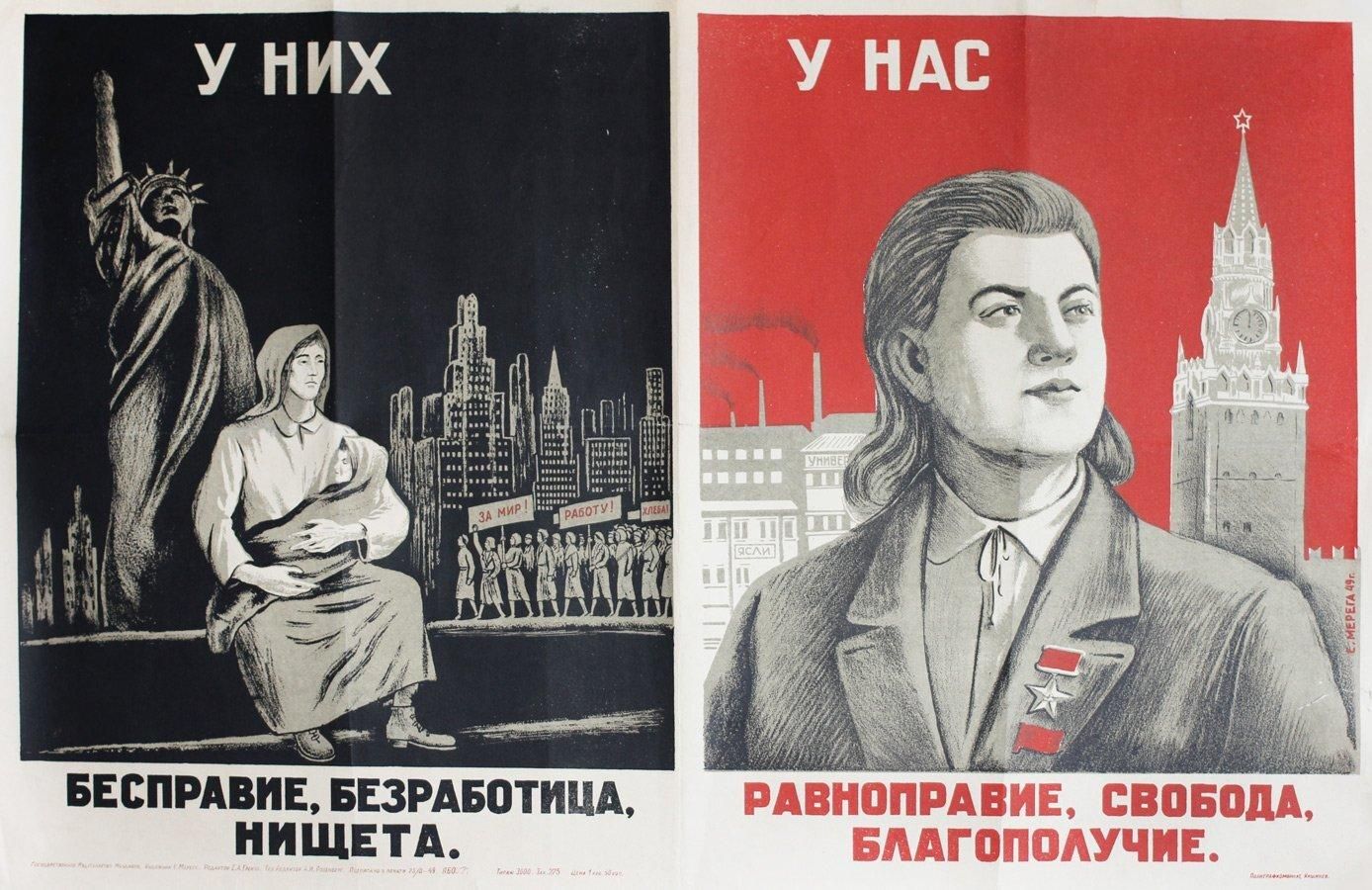
Soviet poster contrasting life 'with them' and 'with us'
Fig. 1 — Soviet poster, 1949: “With them” / “With us”
[ 02 / 07 · Intelligence · CIA / KGB ][ Covert operations ]

EspionageThe secret war

Espionage was an important part of the Cold War. Both countries used secret agents to obtain information about their enemies.

CIAUnited States
KGBSoviet Union
  • Secret agents and missions.
  • Intelligence and surveillance.
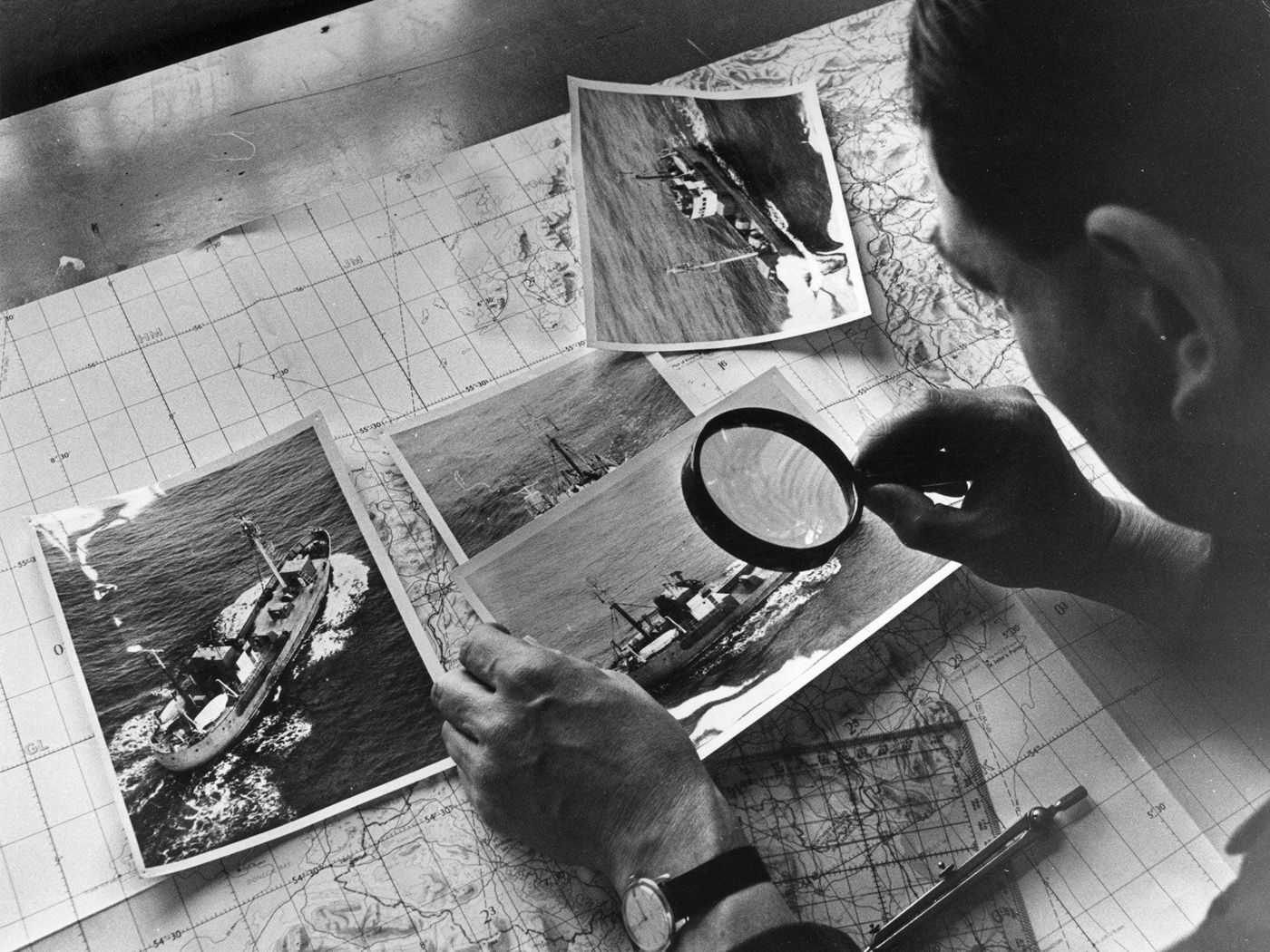
Analyst examining aerial photos with a magnifying glass
Fig. 2 — Photo interpreter at work
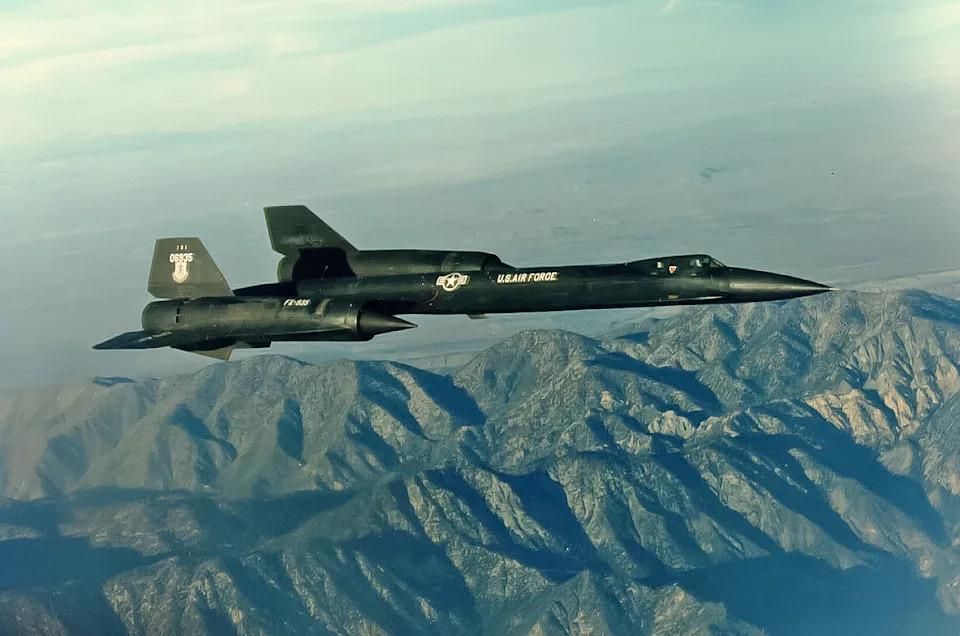
Black high-altitude reconnaissance jet over mountains
Fig. 3 — Lockheed “Blackbird” family jet
Classified
[ 03 / 07 · Nuclear threat ][ Arms race · 1945–1991 ]

The nuclear threat

Both superpowers developed powerful nuclear weapons. This created an arms race and the fear of a global nuclear war.

  • Nuclear weapons competition.
  • Arms race.
  • Fear of global destruction.
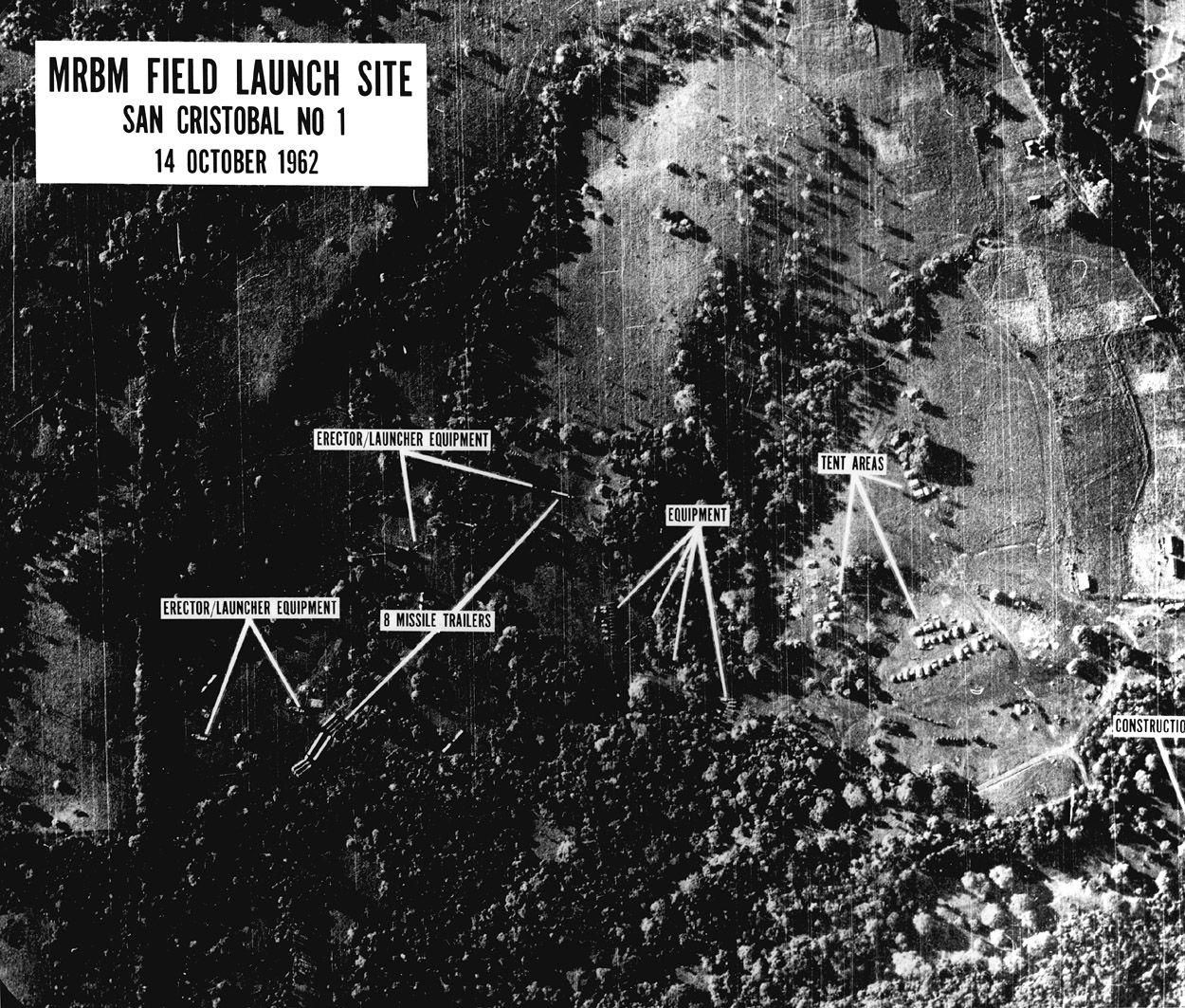
  • Soviet missiles in Cuba.
1962

[ Important event ]Cuban Missile Crisis
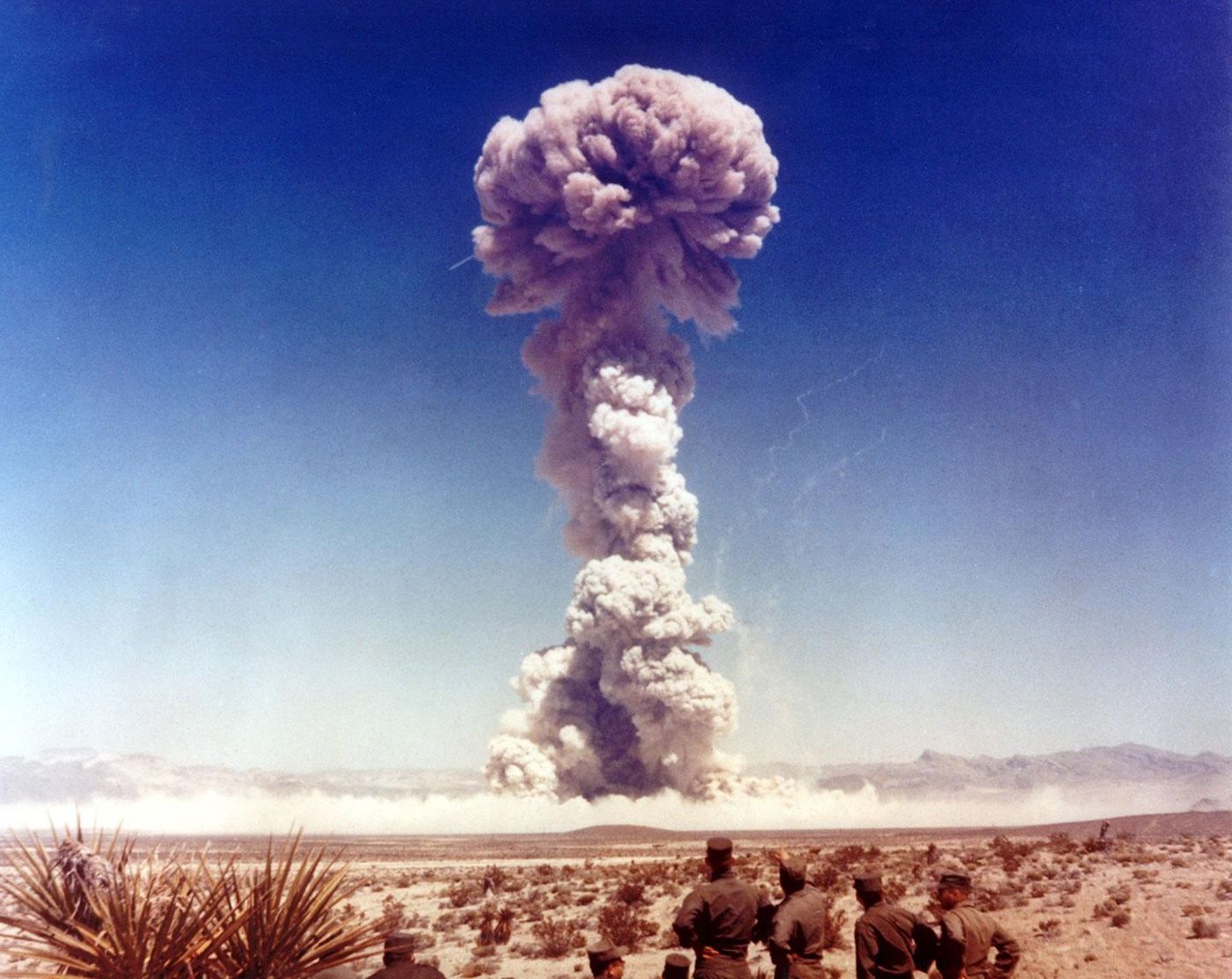
Mushroom cloud of a nuclear test watched by soldiers
Fig. 4 — Nuclear test, Nevada, 1950s
Annotated aerial photo of a missile site, San Cristóbal, Cuba
Fig. 5 — U-2 photo, San Cristóbal, Cuba, 14 Oct 1962
[ 04 / 07 · Propaganda & ideology ][ The battle for hearts and minds ]

Propaganda, ideology and lifestyle

Both countries used propaganda and advertising to influence people's opinions and promote their political systems.

[ American way of life ]

United States

  • Capitalism.
  • Private property.
  • Consumer culture.
  • American Dream.
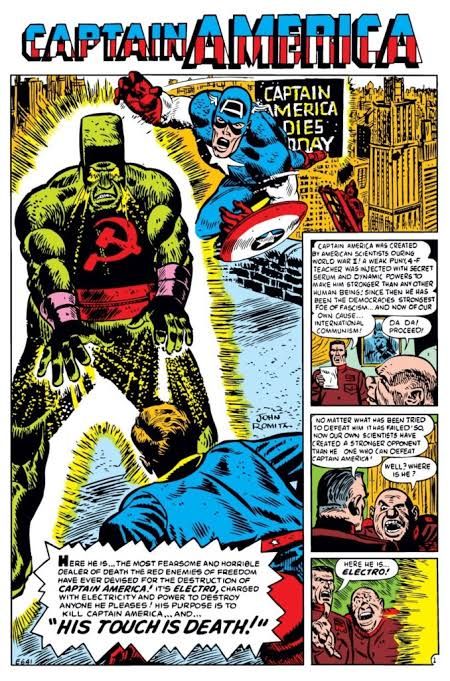
1950s American comic book page with an anti-communist story
Fig. 6 — U.S. comic, 1950s
[ Soviet way of life ]

Soviet Union

  • Communism.
  • State ownership.
  • Collective society.
  • Socialist ideals.
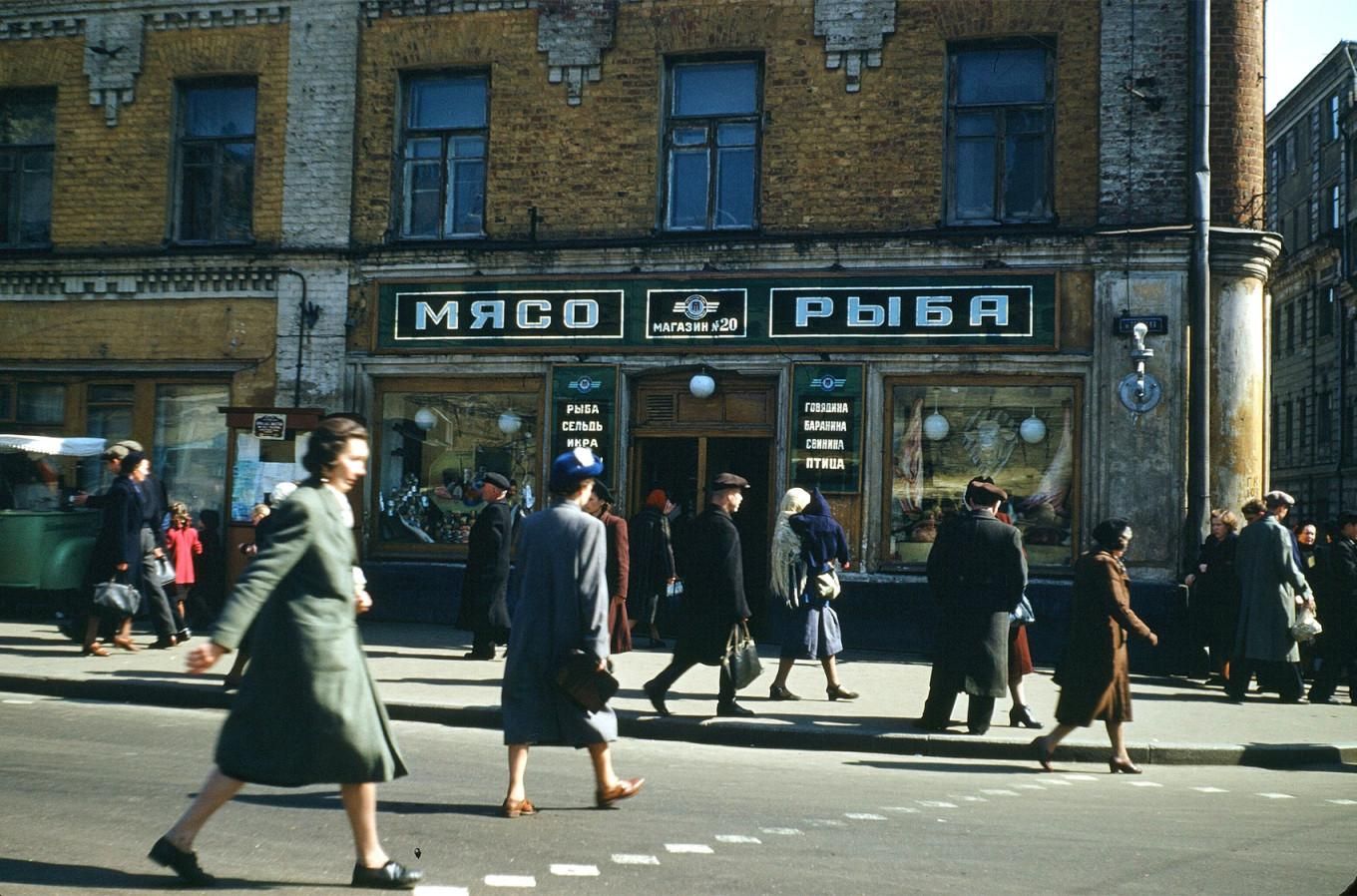
Pedestrians outside a state shop in Moscow
Fig. 7 — State shop “Meat · Fish”, Moscow, 1950s

Both countries wanted to demonstrate that their political and economic system was better.

[ 05 / 07 · Space race ][ Восток-1 · 1961 ] [ Apollo 11 · 1969 ]

The space race

The United States and the Soviet Union competed to achieve important advances in space exploration.

[ Important events ]
1957

Sputnik 1

First artificial satellite.

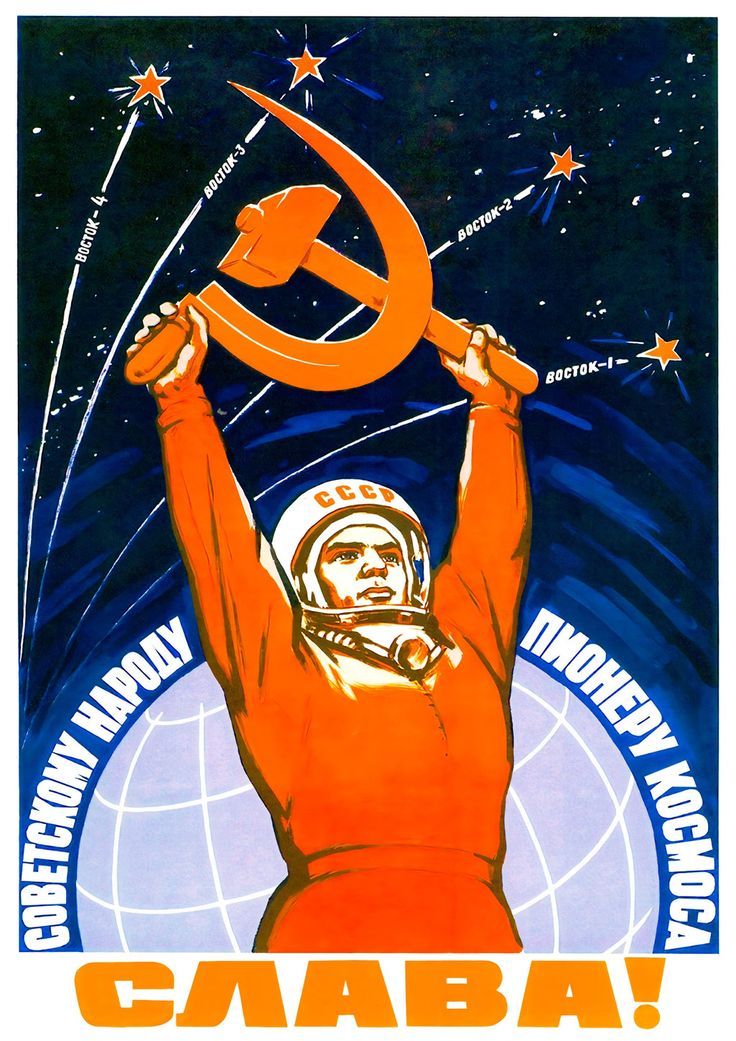
Soviet space poster: cosmonaut raising hammer and sickle
Fig. 8 — Soviet poster: “Glory to the pioneers of space!”
1961

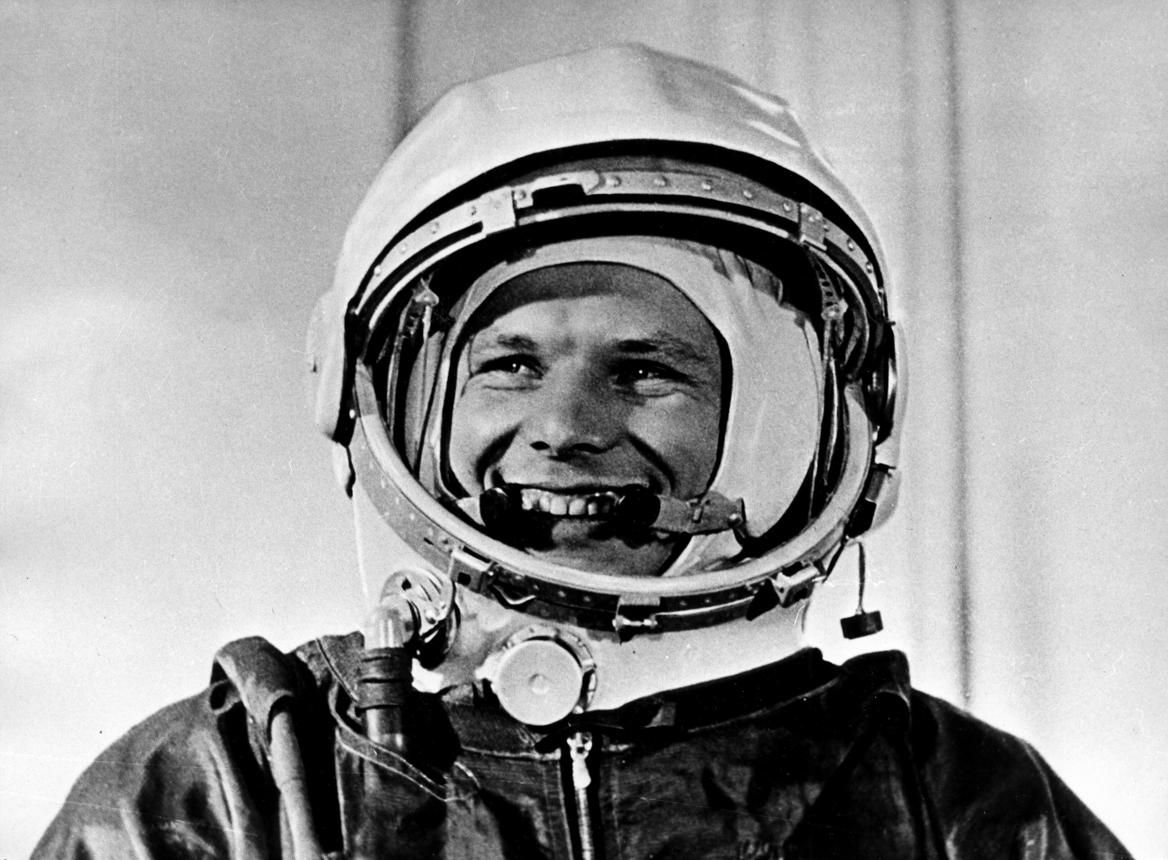
Yuri Gagarin

First human in space.

Yuri Gagarin smiling in his space helmet
Fig. 9 — Yuri Gagarin, 1961
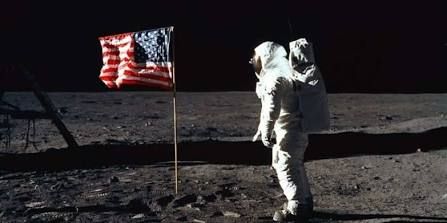
1969

Apollo 11

First Moon landing.

Astronaut beside the U.S. flag on the Moon
Fig. 10 — Apollo 11, the Moon, 1969

The Space Race promoted scientific and technological development.

[ 06 / 07 · End of the conflict ][ 1989 — 1991 ]

The end of the Cold War

During the 1980s, the Soviet Union experienced serious economic and political problems.

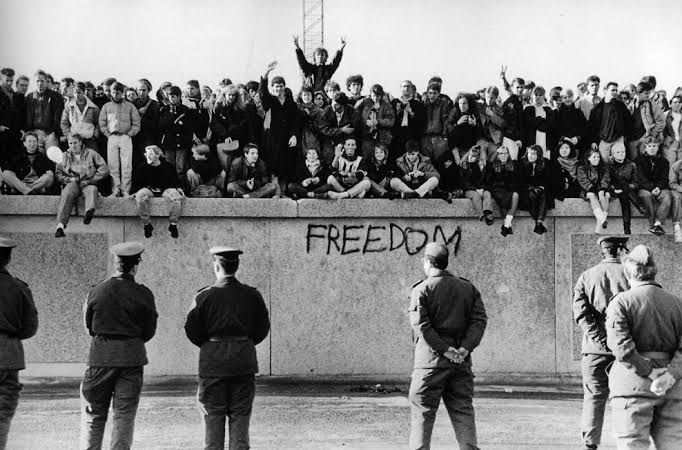
  • 1989 — Fall of the Berlin Wall.
  • 1991 — Dissolution of the Soviet Union.
  • End of the Cold War.

These events marked a major change in world history.
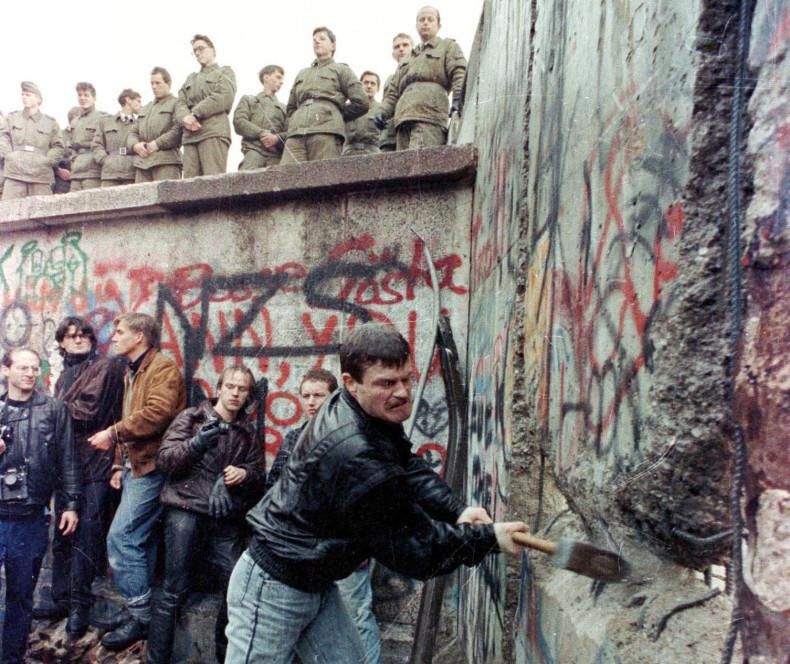
Man breaking the Berlin Wall with a hammer while guards watch
Fig. 11 — Berlin Wall, November 1989
Crowd sitting on the Berlin Wall painted with the word FREEDOM
Fig. 12 — “Freedom”, Berlin, 1989
[ 07 / 07 · Conclusion · Case closed ][ USSR 1922–1991 ]

A conflict that changed the world

The Cold War was more than a political conflict. It changed:
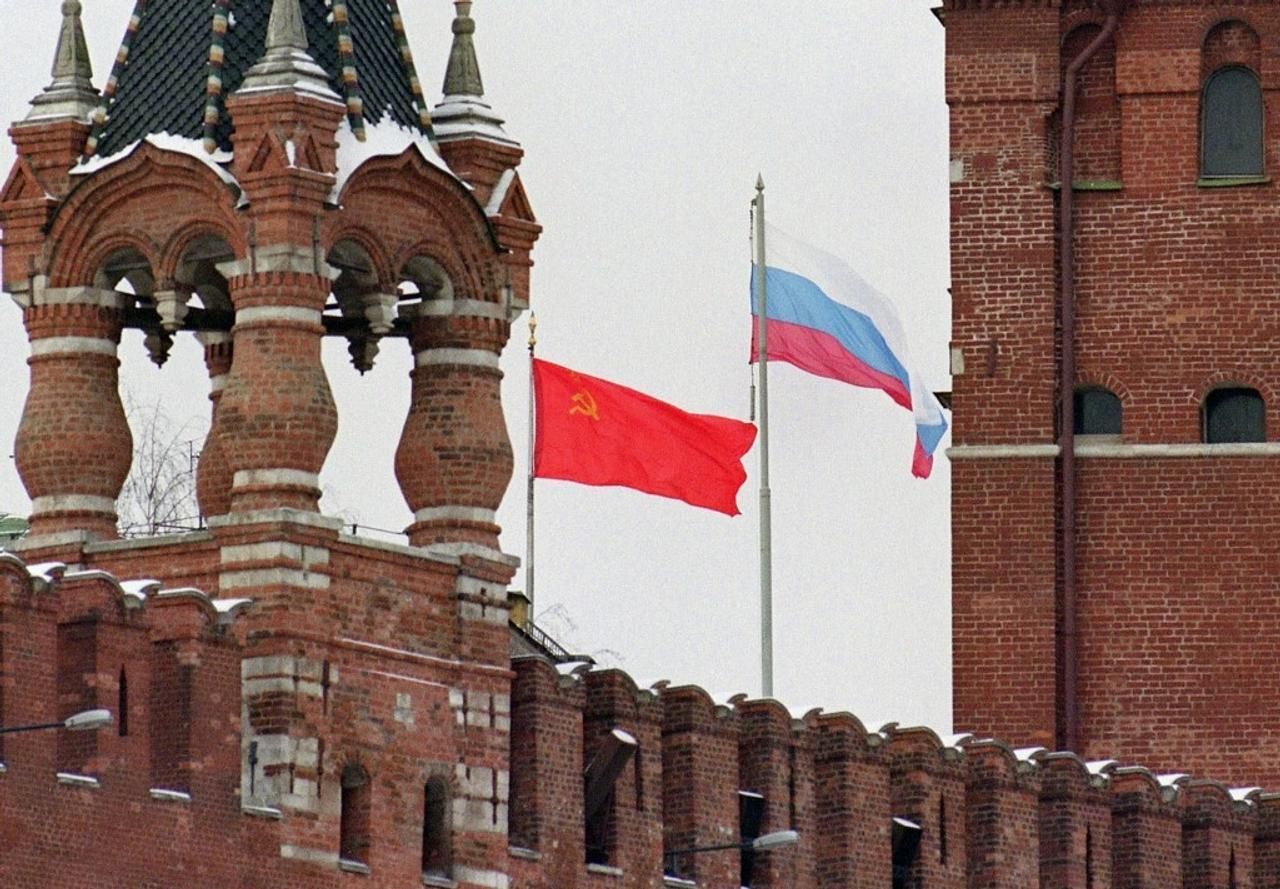
Soviet and Russian flags flying over the Kremlin wall
Fig. 13 — Kremlin, December 1991
[ 01 ]

Politics and international relations

[ 02 ]

Science and technology

[ 03 ]

Culture and everyday life

[ 04 ]

Military development

Its consequences continue to influence the world today.