The beginning of the Cold War
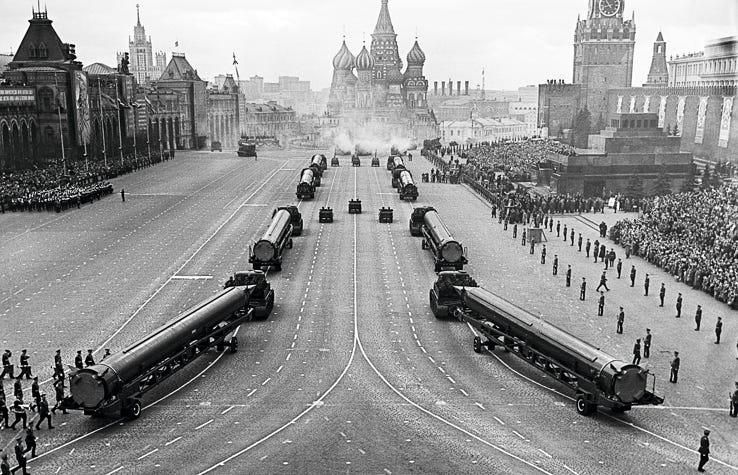
The Cold War began after World War II, around 1947.
- United States vs. Soviet Union.
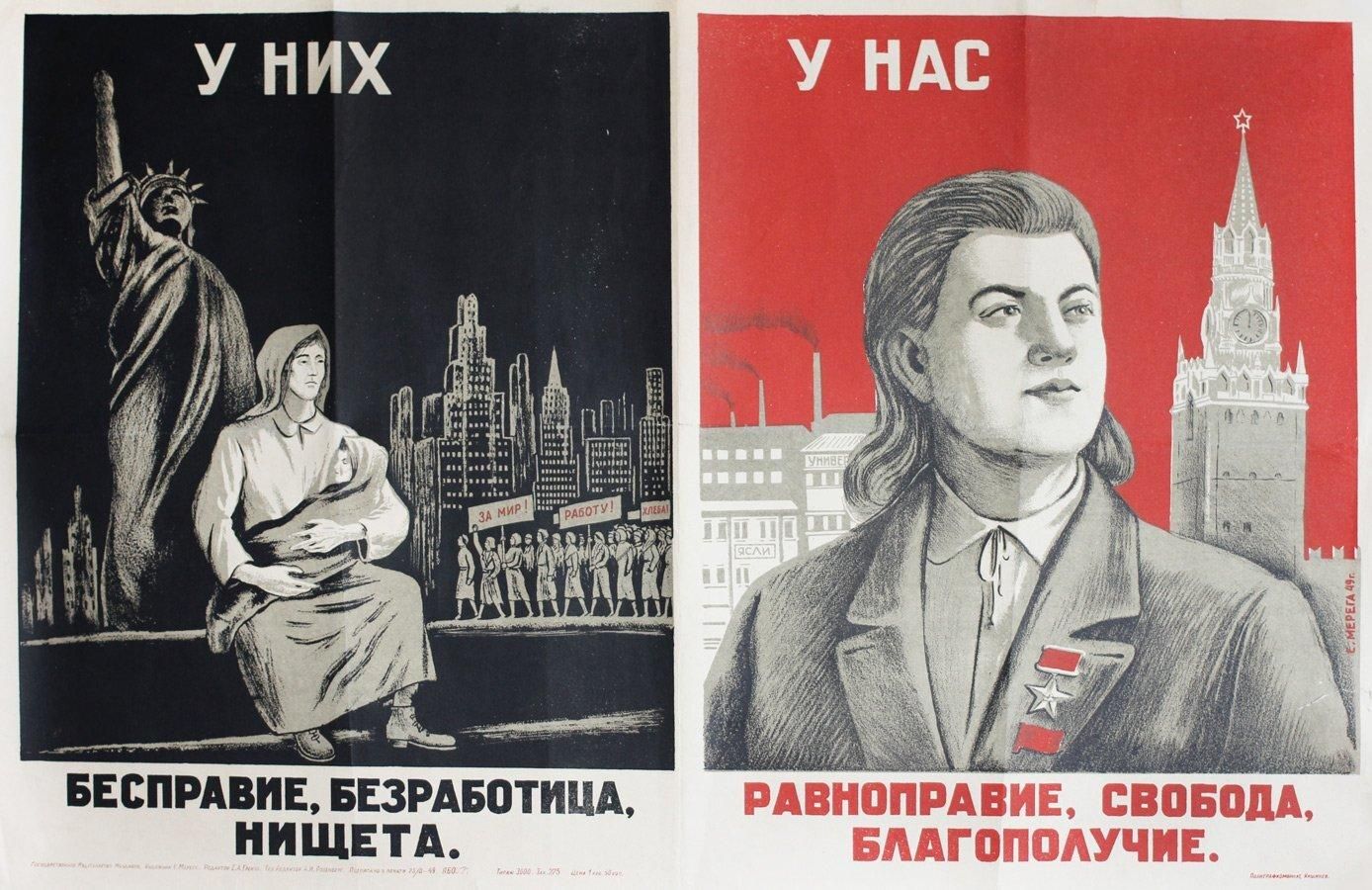
- Capitalism vs. Communism.
- Political and military tension.
- Competition for global power.
EspionageThe secret war
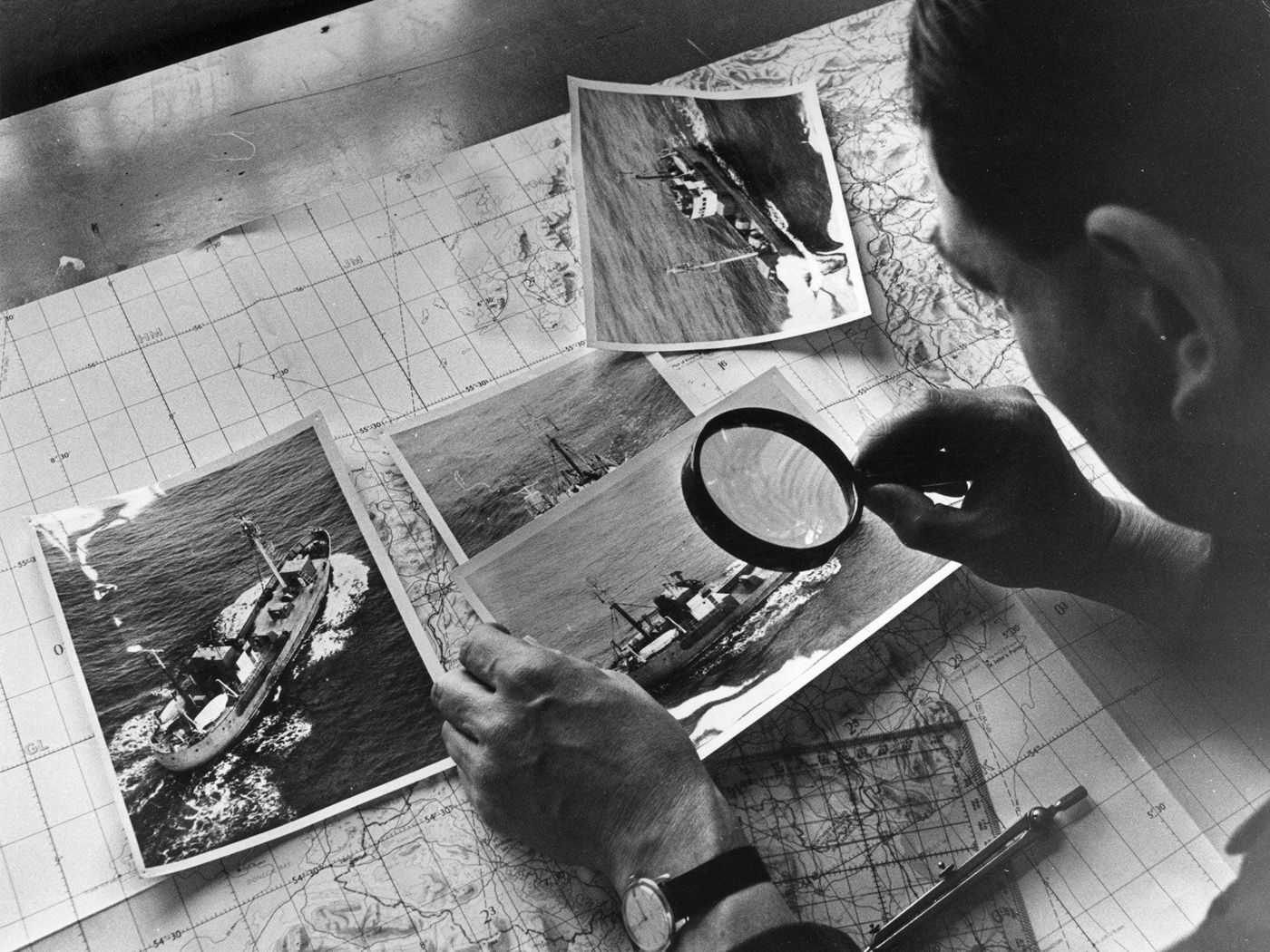
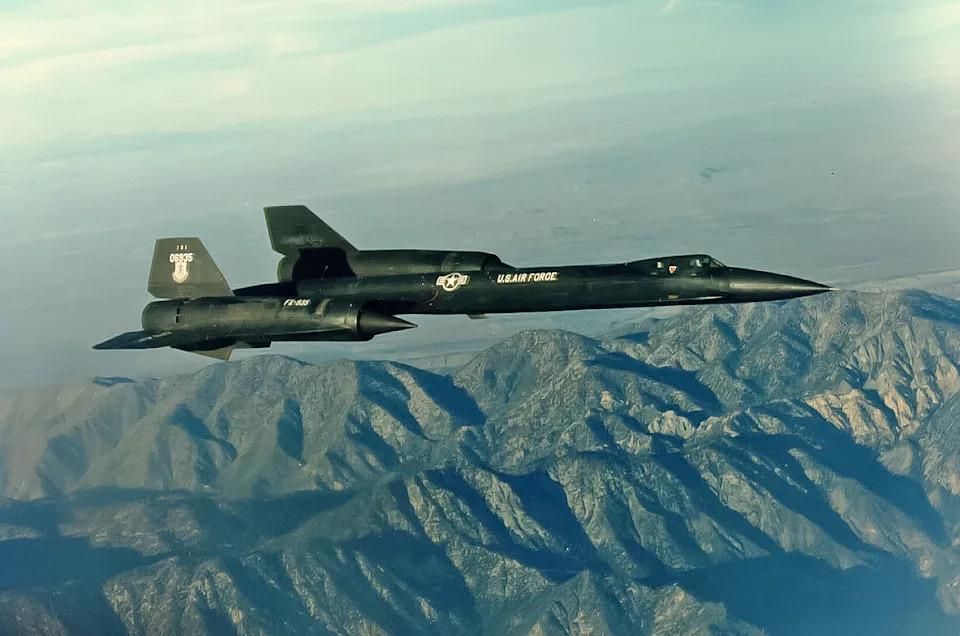
Espionage was an important part of the Cold War. Both countries used secret agents to obtain information about their enemies.
- Secret agents and missions.
- Intelligence and surveillance.
The nuclear threat
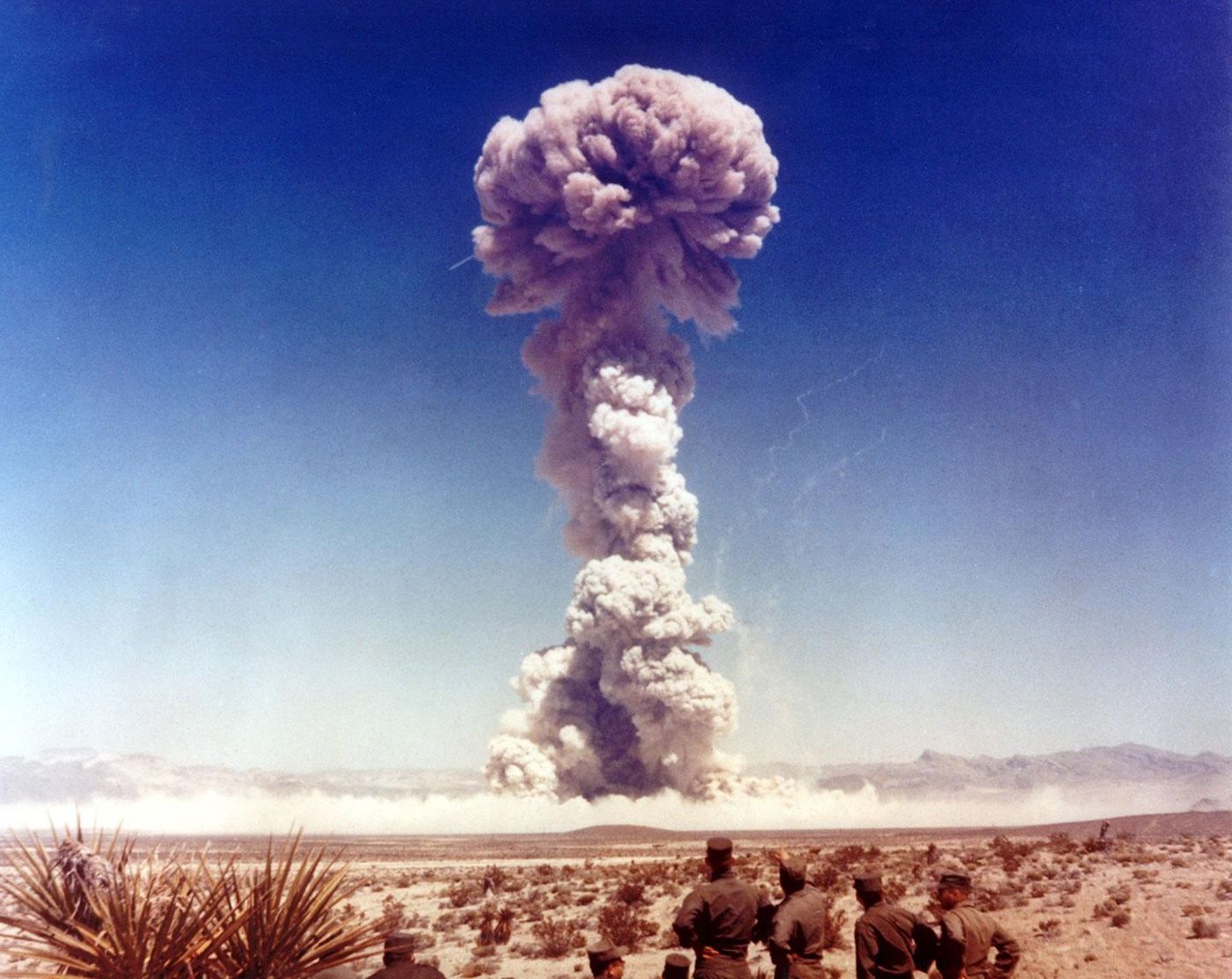
Both superpowers developed powerful nuclear weapons. This created an arms race and the fear of a global nuclear war.
- Nuclear weapons competition.
- Arms race.
- Fear of global destruction.
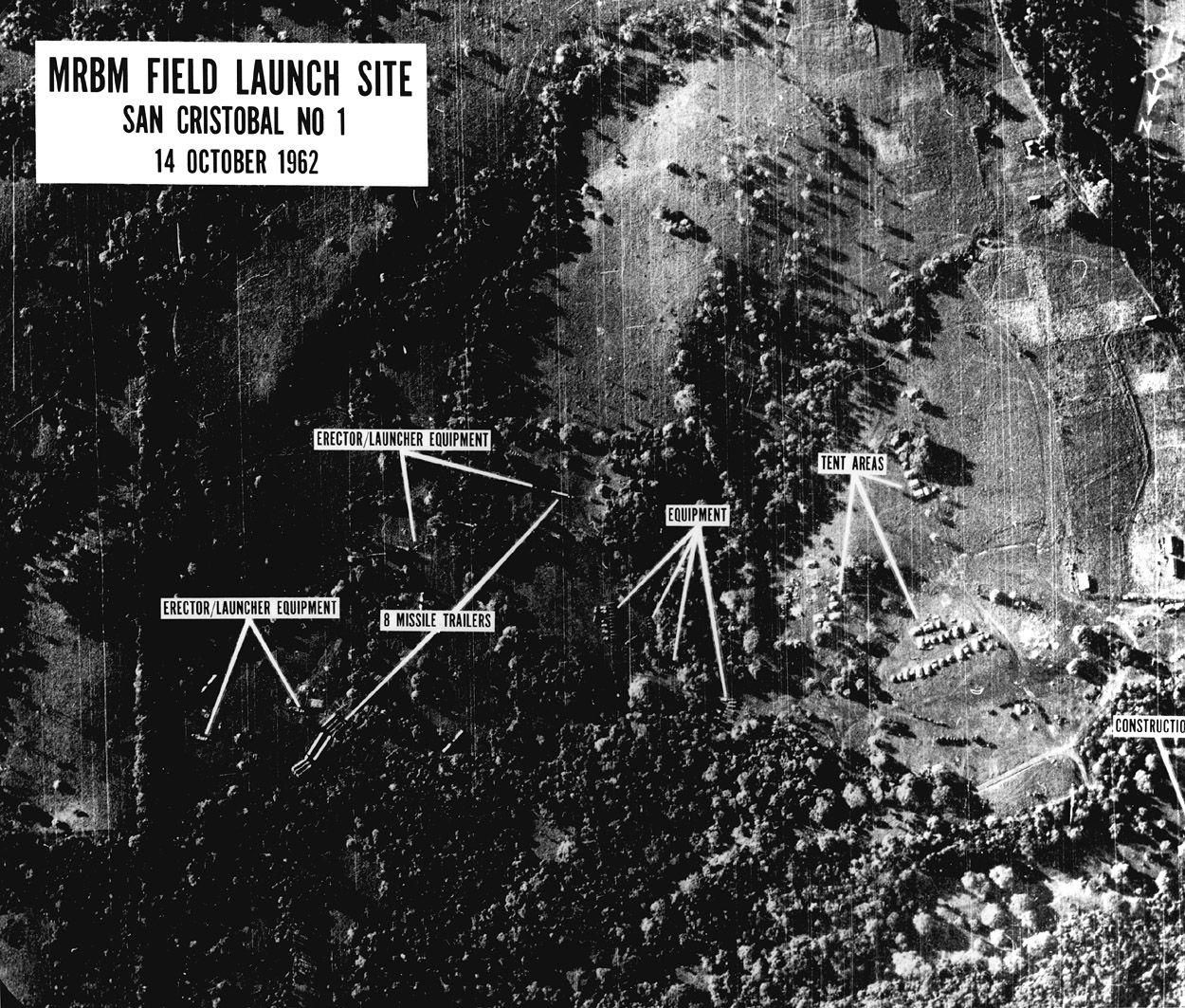
- Soviet missiles in Cuba.
[ Important event ]Cuban Missile Crisis
Propaganda, ideology and lifestyle
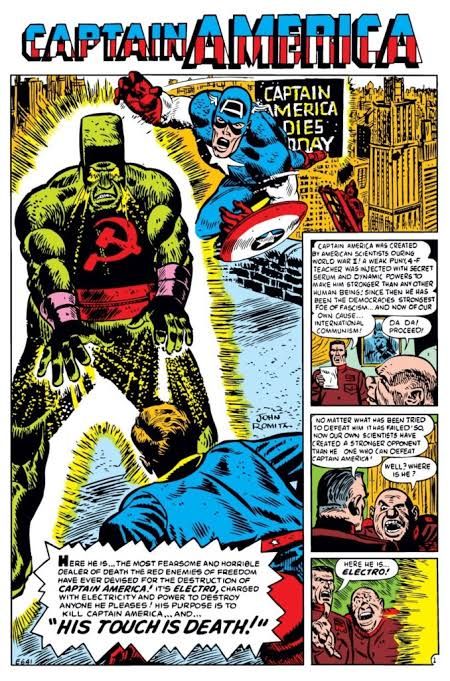
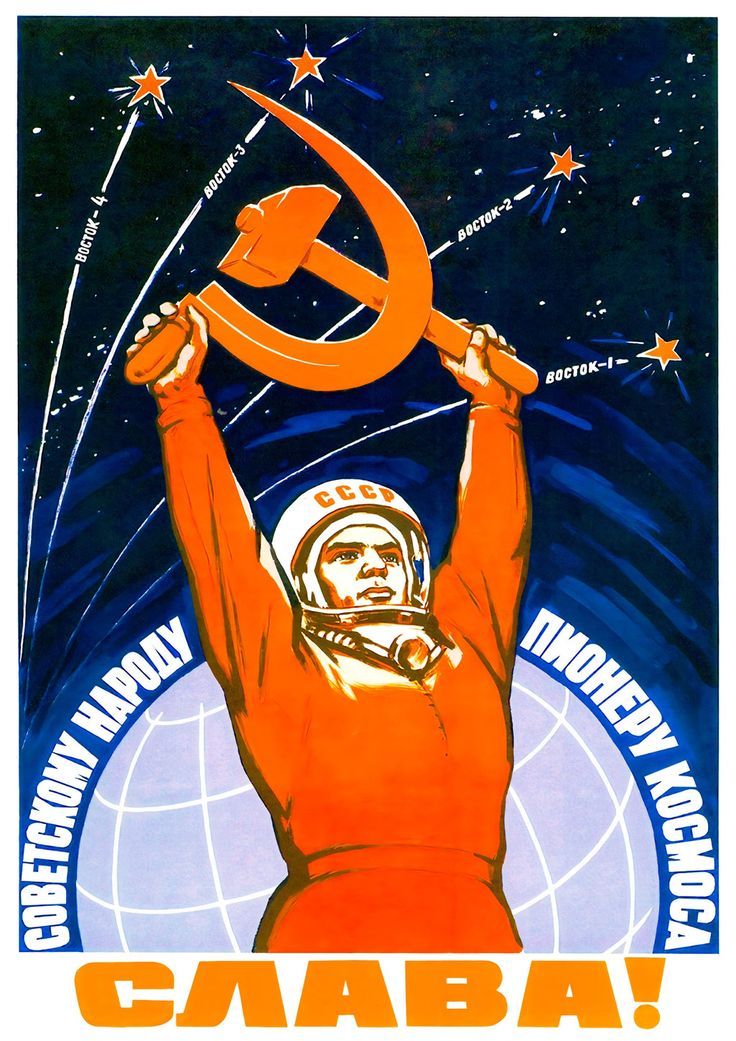
Both countries used propaganda and advertising to influence people's opinions and promote their political systems.
United States
- Capitalism.
- Private property.
- Consumer culture.
- American Dream.
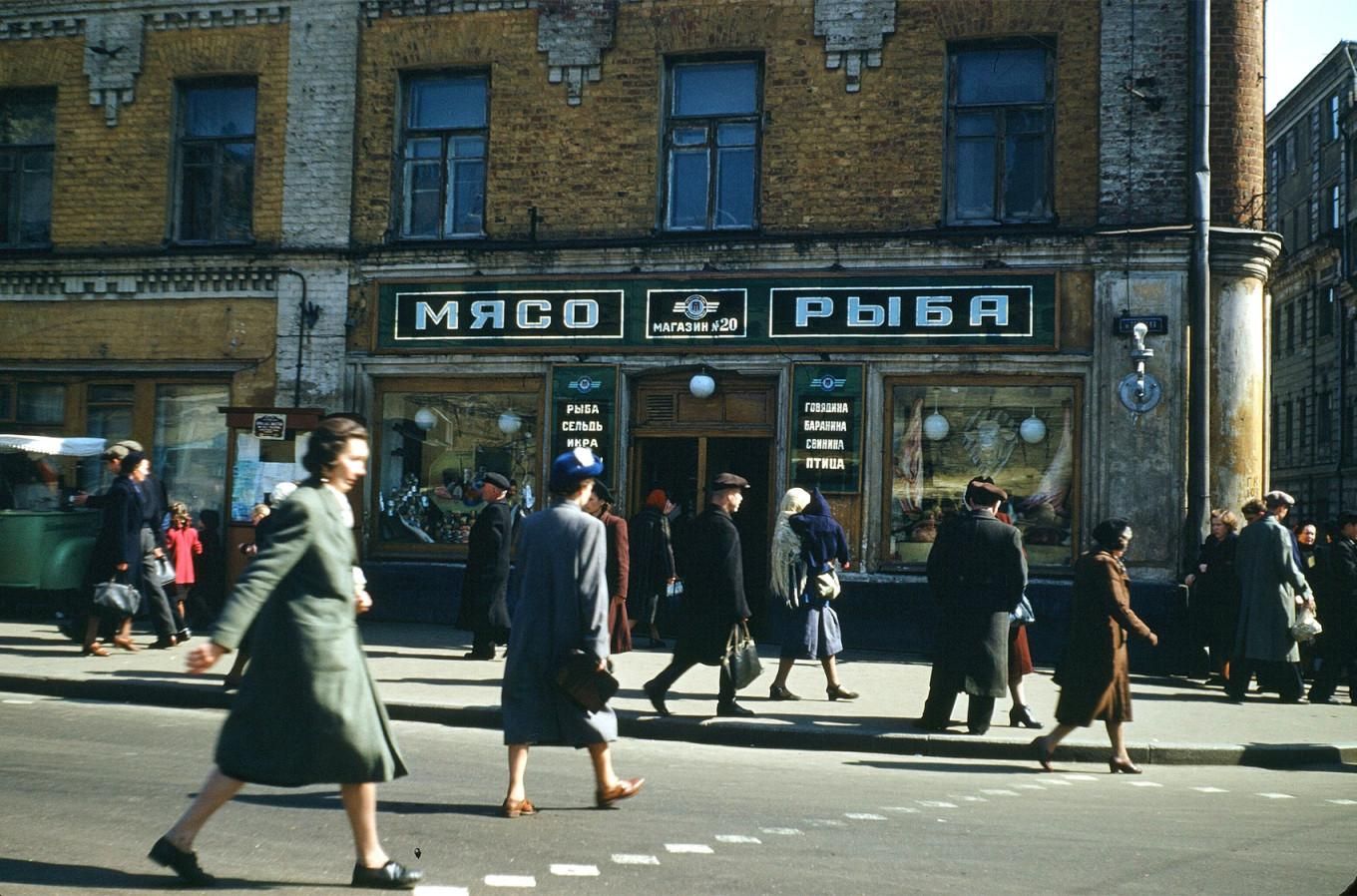
Soviet Union
- Communism.
- State ownership.
- Collective society.
- Socialist ideals.
Both countries wanted to demonstrate that their political and economic system was better.
The space race
The United States and the Soviet Union competed to achieve important advances in space exploration.
[ Important events ]Sputnik 1
First artificial satellite.
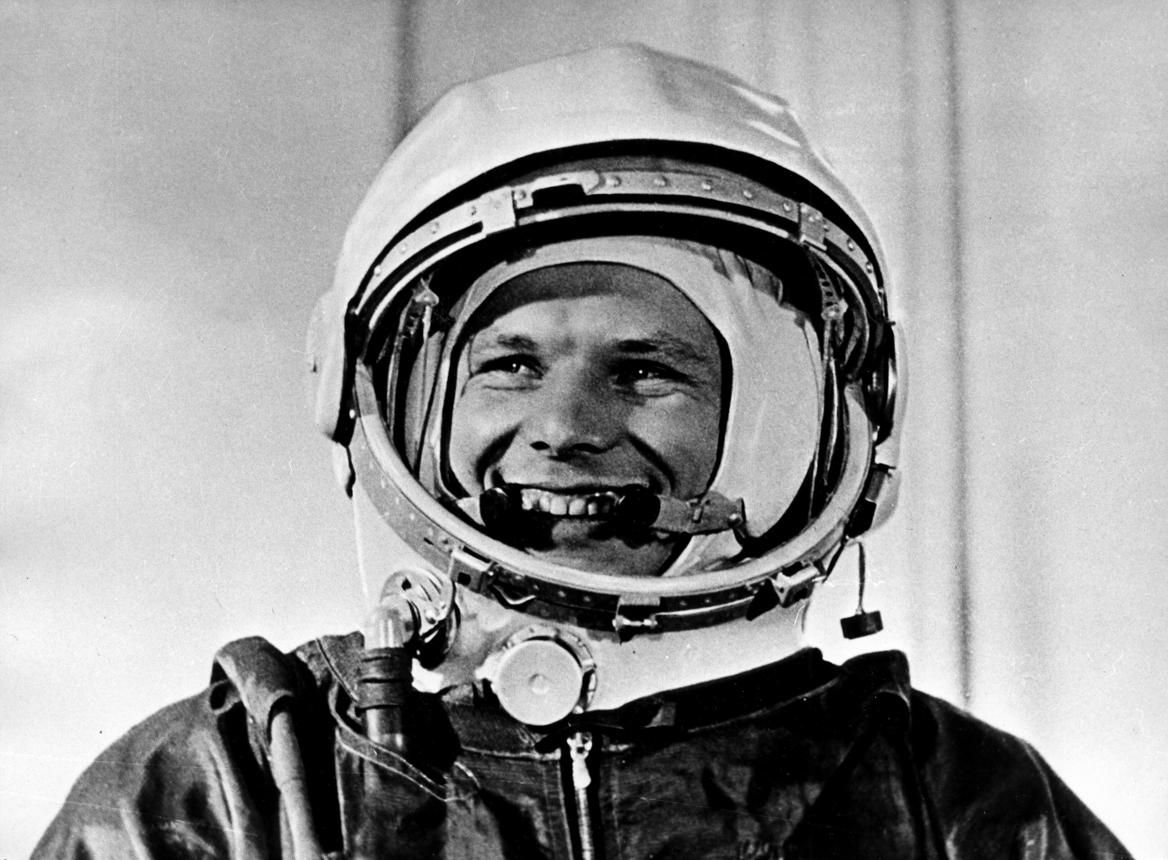
Yuri Gagarin
First human in space.
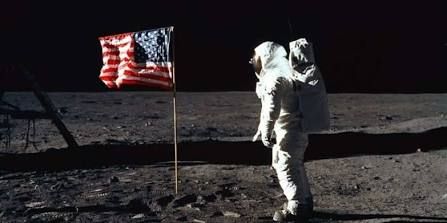
Apollo 11
First Moon landing.
The Space Race promoted scientific and technological development.
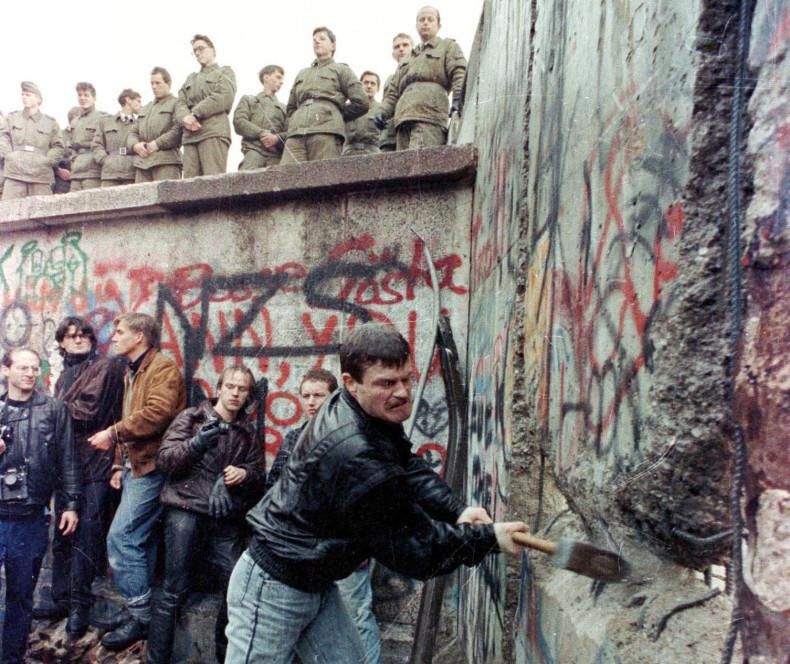
The end of the Cold War
During the 1980s, the Soviet Union experienced serious economic and political problems.
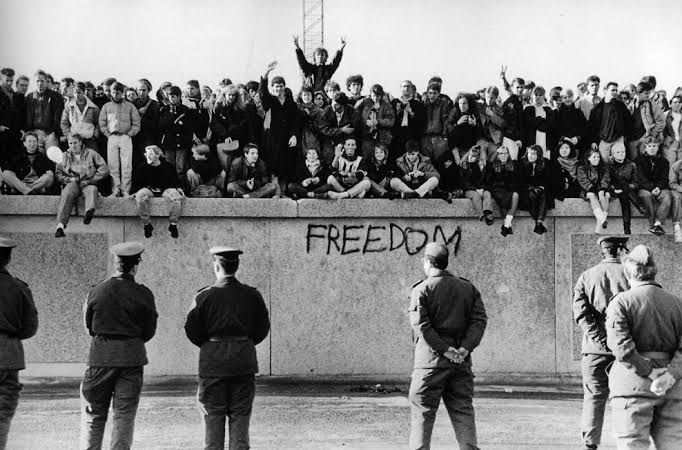
- 1989 — Fall of the Berlin Wall.
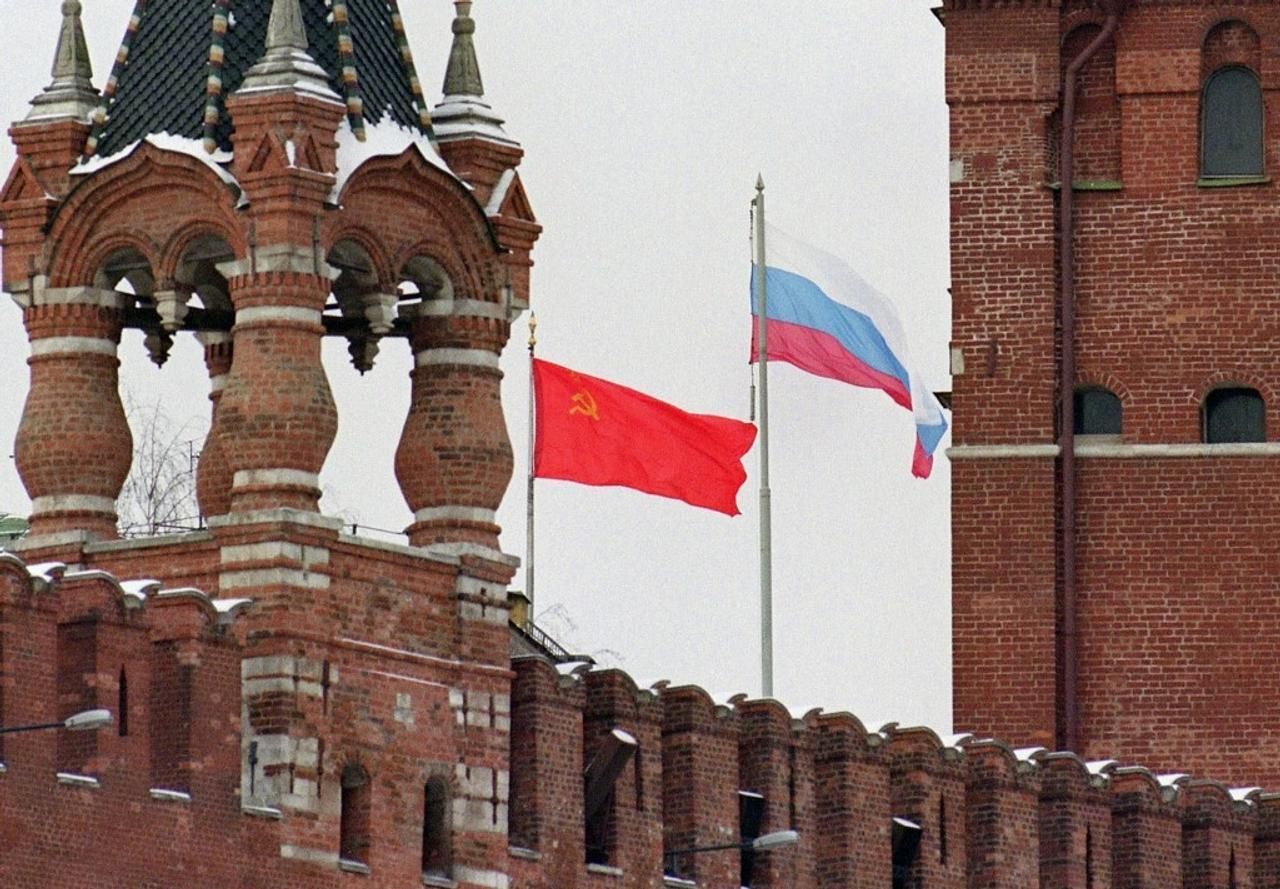
- 1991 — Dissolution of the Soviet Union.
- End of the Cold War.
These events marked a major change in world history.
A conflict that changed the world
The Cold War was more than a political conflict. It changed:
Politics and international relations
Science and technology
Culture and everyday life
Military development
Its consequences continue to influence the world today.